
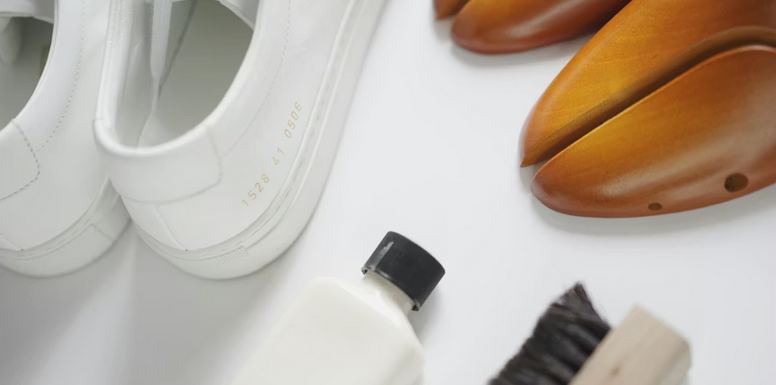
Refreshing the color of your shoes—whether suede, leather, or synthetic—can instantly revive a pair that feels worn, faded, or simply outdated. Many people dive into the process full of excitement, only to discover that shoe recoloring isn’t as straightforward as they expected. From choosing the wrong shade to skipping important prep steps, small oversights can lead to uneven finishes, stiff textures, or color that rubs off at the worst possible moment. If you’re planning on recoloring suede footwear, you’ll find the product for restoring and coloring suede especially useful. But technique still plays a huge role in the final outcome. This guide explores the top mistakes people make when recoloring their shoes—and how you can avoid them for a smooth, professional result.
Skipping the Cleaning Stage Entirely
One of the biggest mistakes people make is applying dye or pigment directly onto dirty shoes. Dust, oils, and old product residue disrupt absorption, which leads to patchy or dull areas after drying. Many assume a quick wipe-down is enough, but deeper cleaning is needed, especially for suede. Dirt trapped in the fibers blocks dye from settling in evenly. For suede shoes, scrub gently using a cleaner that lifts grime without soaking the material excessively. A properly cleaned surface accepts color far more consistently and helps prevent future flaking.
Trying to Spot-Treat Suede
Another frequent error is attempting to recolor only one section of a suede shoe. This almost always results in clear borders or water rings, making the repair extremely noticeable. Suede responds best to full-surface treatment because the fibers shift and absorb dye in unpredictable patterns. Even a tiny patch touched up with dye or cleaner can stand out dramatically once dried. To avoid ruining your shoe’s appearance, recolor the entire panel or shoe instead of tackling isolated spots. This approach blends the finish and maintains a smooth, continuous look.
Using the Wrong Tools or Too Much Product
People often reach for any brush or cloth they have on hand, but using the incorrect applicator can create streaks or heavy patches. Tools matter. For suede dyes, wool daubers, small paintbrushes, or designated suede applicators give the most controlled results. Overloading the applicator is another misstep. Excess product can oversaturate the material, causing the shoe to stiffen or darken unevenly. Light, even strokes are better than soaking the shoe. Add color gradually and allow each layer to settle before applying more. You’ll get richer, smoother results without compromising texture.
Ignoring the Base Color of the Shoe
People often assume that dye works like paint and covers whatever shade lies underneath. Dye doesn’t sit on top—it absorbs into the material. This means your starting color directly affects the final outcome. For example, applying red dye on white suede usually produces a pink shade rather than a bold crimson. Dark suede will never become lighter with dye alone. Many recoloring disappointments come from choosing a shade without considering how the base will influence the finish. Selecting a color that complements or deepens the existing tone gives you better, more predictable results.
Forgetting to Restore the Texture After Dyeing
Once shoes have been recolored, many people simply allow them to dry and assume the job is done. But suede in particular needs revival after dyeing. Without brushing, the fibers remain flat and stiff, and the shoes look dull or unevenly dark. A firm bristle brush helps lift and separate the fibers, bringing back that soft, plush texture suede is known for. This step also removes excess dye sitting on the surface, reducing the risk of transfer onto clothing or carpets later. A simple brushing session can dramatically improve the appearance and feel of the finished shoe.
Refreshing the color of your shoes can bring new life to footwear that feels tired, but the process requires attention and patience. By fully cleaning the surface, avoiding spot-treating suede, using appropriate tools, choosing colors wisely, and restoring texture afterward, you can achieve a smooth, durable, and visually appealing outcome. Taking the time to follow these steps helps your shoes look renewed while extending their lifespan in a satisfying way.
Comments are closed, but trackbacks and pingbacks are open.